
In the world of professional photography, drones have revolutionised the way aerial images are captured, providing unique and accessible perspectives for all types of photographers.
Choosing a drone for photography can be complex due to the vast number of options and features available. In this article, we’ll detail the best professional drones for photography, comparing their technical specifications, advantages, and disadvantages.
The aim is to provide a comprehensive guide to help you select the drone that best suits your needs.
Key features to consider in a professional photography drone
Choosing the right drone for professional photography requires an assessment of key features that will determine the quality and type of shots you can achieve.
Below, we describe the essential aspects a photography-focused drone should have to deliver professional-level results.
Camera quality
The camera is the most important component in a photography drone. Professional models usually incorporate high-resolution sensors, some reaching up to 48 MP or more. This resolution allows for images with exceptional detail, ideal for enlargements or post-editing.
It’s also essential to consider the lens aperture and the ability to shoot in RAW formats, providing greater flexibility in photo editing.
Stabilisation and gimbal
Stability is crucial for clear and sharp images. Professional drones often integrate a 3-axis stabilisation system that keeps the camera steady and vibration-free, even in windy conditions. This is particularly useful for capturing moving images or recording videos without sacrificing image quality.
Gimbal technology ensures the camera remains level, facilitating smooth and stable capture.
Flight time and battery life
Another key aspect is battery duration. High-end drones can offer between 30 and 40 minutes of continuous flight, which is essential for extended photography sessions.
A longer flight time allows you to explore different perspectives and ensures enough power to return to your starting point without issues.
Transmission range
The transmission range determines how far the drone can fly while maintaining full control over it. Advanced drones offer ranges of up to 8 or 10 kilometres, enabling long-distance shots or access to hard-to-reach areas.
This range is combined with real-time video transmission, which is essential for previewing images and adjusting composition on the spot.
Comparison of the best drones for professional photography
Below, we present a detailed comparison of some of the most outstanding drones for professional photography.
This selection is based on their technical features, image quality, and ease of use to meet the needs of demanding photographers.
DJI Mavic 3
The DJI Mavic 3 is one of the most complete drones on the market. Equipped with a 20 MP Hasselblad camera with a 4/3 CMOS sensor, it offers excellent image quality and vibrant colours. Its advanced stabilisation system ensures sharp images even in challenging conditions.
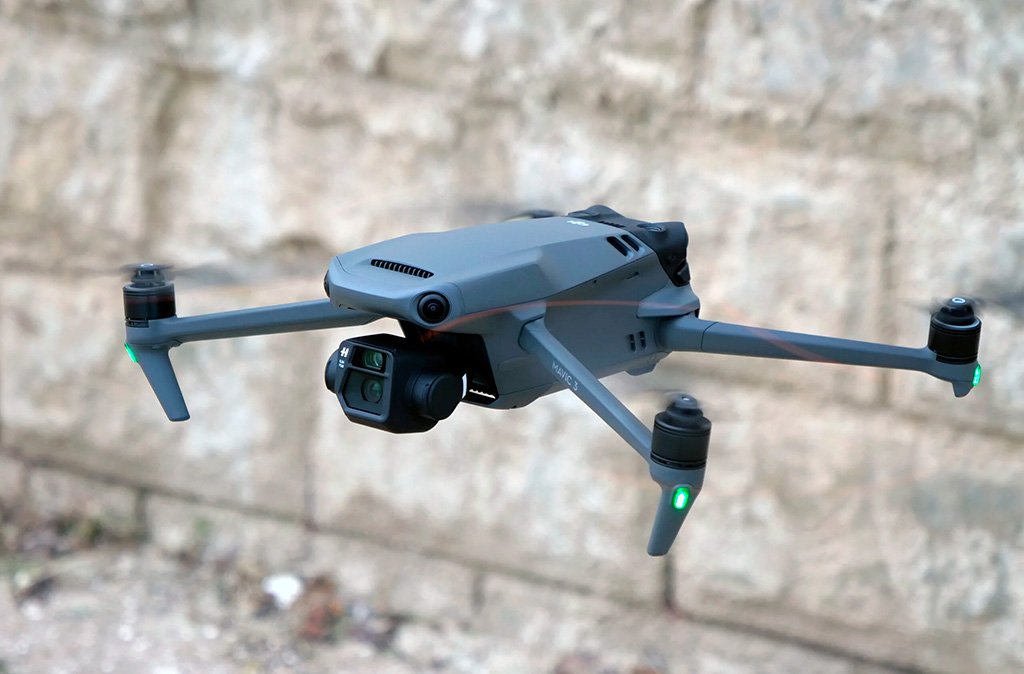
With up to 46 minutes of battery life and a transmission range of 15 km, it’s ideal for professionals who need to capture multiple shots without interruptions.
Advantages of the DJI Mavic 3
- Superior camera quality: Large sensor that improves light capture.
- Extended flight time: Up to 46 minutes of battery life.
- Wide transmission range: Range of up to 15 km, ideal for long-distance shots.
Disadvantages of the DJI Mavic 3
- High price: A considerable investment, but justified for professional users.
- Weight and size: Although portable, it’s bulkier than other models in its range.
Autel Robotics EVO II
The Autel Robotics EVO II stands out for its 48 MP camera and 8K video recording capability, ideal for high-quality audiovisual productions. It also offers up to 40 minutes of flight and an advanced 360-degree obstacle detection system.
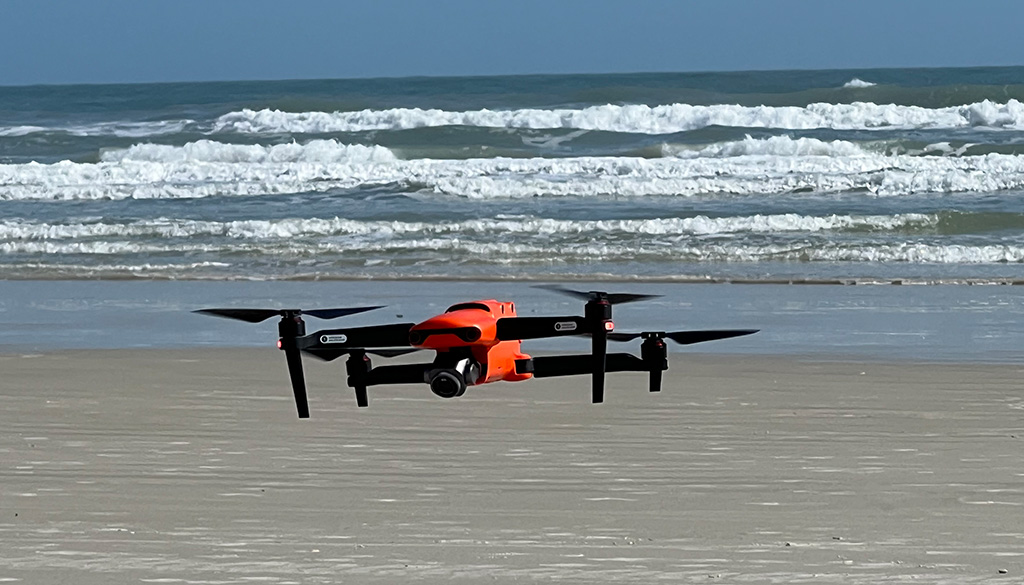
Its compact design makes it a portable option for photographers constantly on the move.
Advantages of the Autel Robotics EVO II
- High resolution: 48 MP camera and 8K recording for exceptional details.
- 360° obstacle detection: Increased safety in complex environments.
- Decent battery life: Up to 40 minutes of continuous flight.
Disadvantages of the Autel Robotics EVO II
- Accessory costs: Batteries and other accessories are priced high.
- Learning curve: Using it may require more time to adapt due to its advanced features.
DJI Air 2S
The DJI Air 2S is a balanced option between quality and portability, ideal for photographers who need a compact device without sacrificing performance. It comes with a 1-inch CMOS sensor and 20 MP resolution, capable of recording in 5.4K.
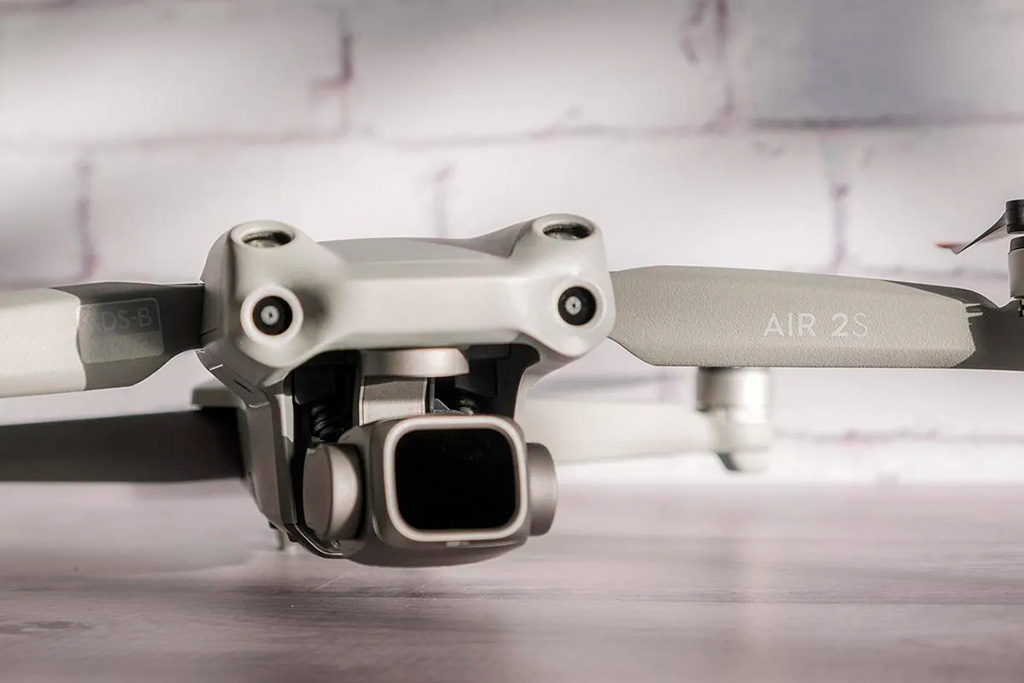
Its 31-minute battery life and obstacle detection system make it a reliable and versatile choice.
Advantages of the DJI Air 2S
- Solid image quality: 1-inch sensor camera that performs well in various lighting conditions.
- Compact design: Easy to transport, ideal for travel photographers.
- Safety features: Obstacle detection for safer flights.
Disadvantages of the DJI Air 2S
- Lower battery life: Its flight time is shorter than other larger drones.
- Video limitations: Although it records in 5.4K, its quality doesn’t match higher-end drones.
DJI Phantom 4 Pro V2.0
The DJI Phantom 4 Pro V2.0 is a robust and reliable drone, equipped with a 20 MP camera and 1-inch CMOS sensor, capable of recording in 4K at 60 fps. Its flight time is approximately 30 minutes, with a transmission range of up to 7 km.
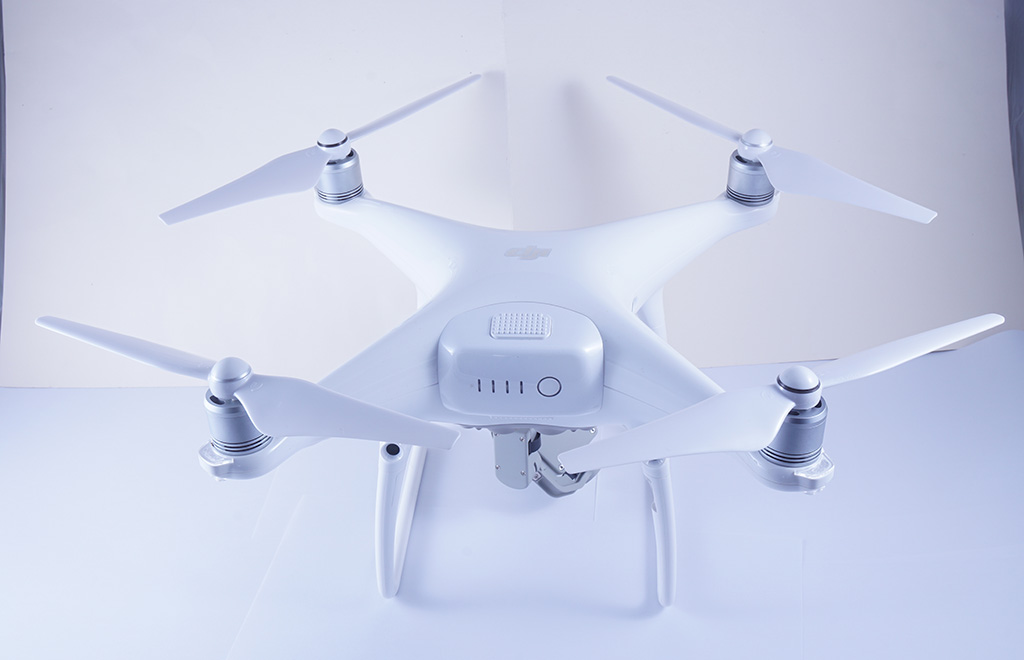
It features a five-direction obstacle detection system, providing enhanced safety during flight.
Advantages of the DJI Phantom 4 Pro V2.0
- Solid build quality: Designed to withstand demanding conditions.
- Excellent image quality: 1-inch sensor offering great detail and dynamic range.
- Advanced safety system: Five-direction obstacle detection.
Disadvantages of the DJI Phantom 4 Pro V2.0
- Size and weight: Less portable than other more compact models.
- Less intuitive interface: May require time to adapt.
Technical specifications
Here’s a comparison table of the technical specifications of each drone mentioned in the article:
| Drone | Camera Resolution | Video Recording | Sensor | Flight Time | Transmission Range | Obstacle Detection |
|---|---|---|---|---|---|---|
| DJI Mavic 3 | 20 MP | 5.1K | CMOS 4/3 | 46 minutes | 15 km | Omnidirectional |
| Autel Robotics EVO II | 48 MP | 8K | CMOS 1/2" | 40 minutes | 9 km | 360° |
| DJI Air 2S | 20 MP | 5.4K | CMOS 1" | 31 minutes | 12 km | Front, back, bottom and top |
| DJI Phantom 4 Pro V2.0 | 20 MP | 4K at 60 fps | CMOS 1" | 30 minutes | 7 km | 5 directions |
Specific applications of each drone in photography
The specialisation of each drone suits different types of professional photography:
- Landscapes: Models with long transmission range and battery life, like the DJI Mavic 3, to explore and capture shots at a distance.
- Events: Drones like the DJI Air 2S offer good portability and image quality, ideal for weddings or events.
- Cinematic filming: Options like the Autel EVO II that record in 8K, providing the resolution needed for audiovisual productions.
Useful accessories for photography drones
To maximise the usefulness of a professional drone, some accessories are recommended:
- Extra batteries: To extend the duration of flight sessions.
- ND filters: Help regulate exposure in bright conditions, improving image quality.
- Precision controllers: For advanced manoeuvres and stability in specific shots.
Tips for maximising flight duration
To extend flight time and improve efficiency, consider the following tips:
- Reduce weight on the drone, using accessories only when necessary.
- Maintain batteries in good condition, avoiding extreme charging and discharging.
- Fly in suitable weather conditions, avoiding strong winds.
Regulations and safety requirements
It’s important to know the applicable regulations for drones in each country. In many regions, a pilot certification is required, as well as compliance with flight rules in public areas.
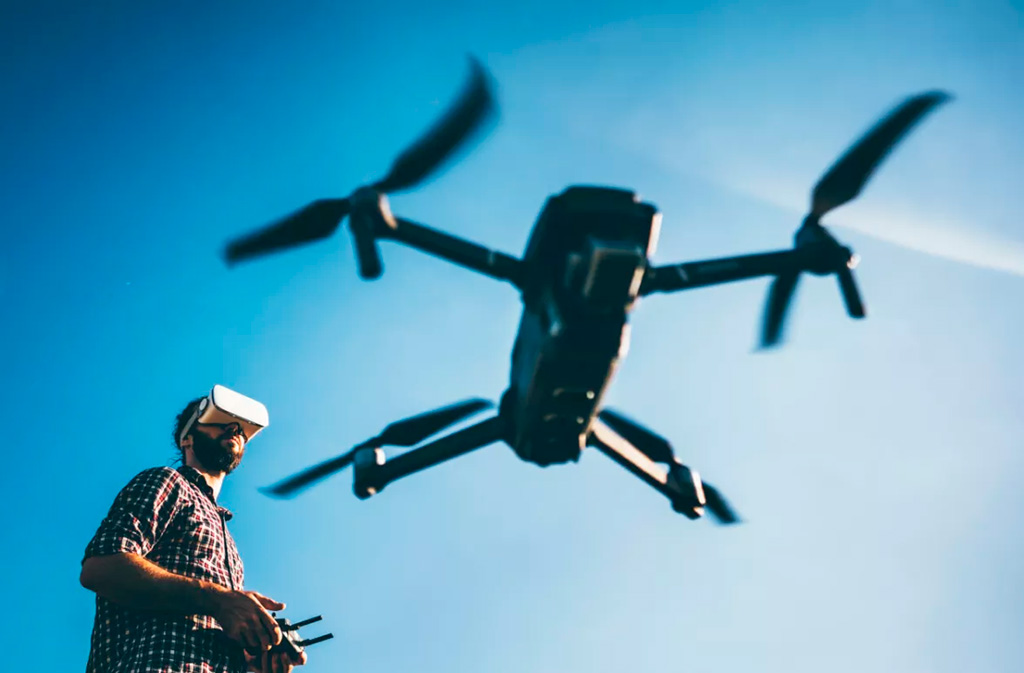
Researching and following these regulations avoids fines and ensures a safe flight.
Drone maintenance and care
To prolong the lifespan of your drone, regular maintenance is recommended:
- Cleaning: Clean the gimbal and propellers to prevent dirt build-up.
- Hardware check: Inspect battery and motor conditions before each flight.
- Proper storage: Store the drone in a protected case and avoid extreme temperatures.
Editing software for drone images
To take captured images to a professional level, using suitable editing software is essential. These tools allow you to adjust details such as exposure, colour, and sharpness, bringing your aerial videos and photos to life.
Below are some recommended options for editors of all levels.
LightCut
LightCut is a video editing app optimised for drone-captured footage, especially DJI models. With automatic editing functions and customisable templates, LightCut identifies video highlights and applies professional effects and transitions quickly.
Its intuitive interface and one-touch editing tools allow beginner and advanced users to create high-quality videos in minutes.
Adobe Lightroom
Adobe Lightroom is ideal for photo editing, providing advanced tools for adjusting exposure, colour, sharpness, and other details. This software is especially useful for RAW images, allowing aerial photographers to extract maximum detail from each shot and customise the look of their photos precisely.
Lightroom also offers organisation and export options to manage large volumes of drone images.
Adobe Premiere Pro
Adobe Premiere Pro is one of the most comprehensive programs for high-resolution video editing. It’s perfect for working with 4K footage and offers advanced features like image stabilisation, colour correction, and multi-camera editing.
Premiere Pro allows editors to control every aspect of their drone videos, from colour grading to transition effects, to achieve a cinematic finish.
Final Cut Pro
Final Cut Pro is another excellent option for drone video editing, especially for Mac users. This software allows you to create custom transitions, stabilise videos, and apply advanced effects, making it ideal for editors looking to perfect every shot.
Additionally, Final Cut Pro handles 4K and higher-resolution videos, enabling smooth edits even at high resolutions.
DaVinci Resolve
DaVinci Resolve is an outstanding choice for both editing and colour correction. It offers advanced colour grading tools that allow you to adjust the aesthetic of aerial shots with professional precision.
Its free version is highly comprehensive, and the Studio version adds additional features for advanced editors who need greater control over image and colour.
Examples of photos and videos taken with drones
To appreciate the quality and capabilities of each drone, it’s recommended to review examples of photos and videos captured with each model on professional photography sites or drone community social media.
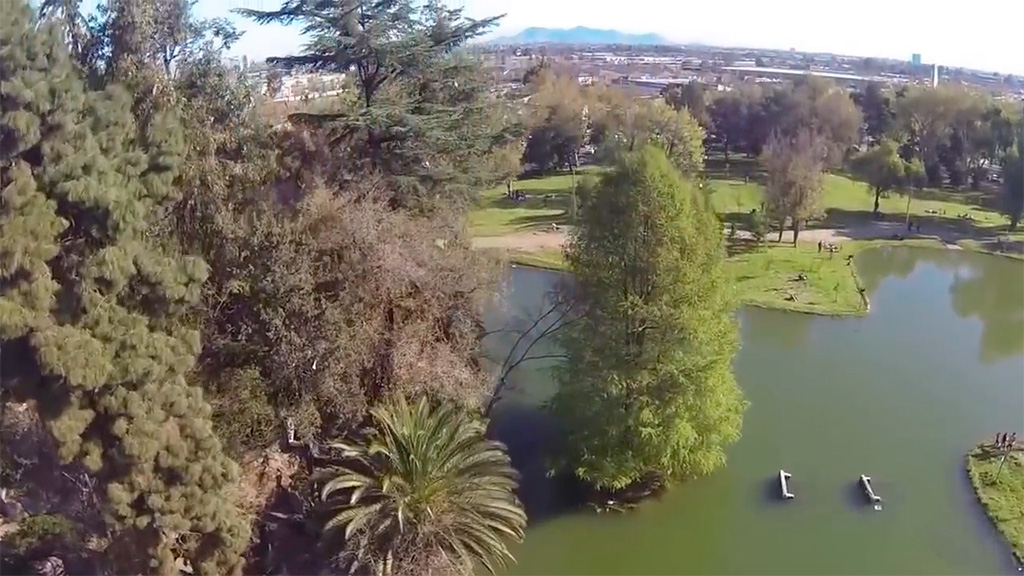
This helps visualise the possible results and choose the right model.
Tips for choosing the best drone for your needs
Choosing the perfect drone will largely depend on the type of projects you plan to undertake.
Below are some practical tips to select the right drone.
Consider the type of photography you’ll be doing
If you plan to take landscape photos, look for drones with a long transmission range and stability in windy conditions.
For portraits or shots at events, camera resolution and the ability to work in confined spaces will be crucial.
Budget and additional costs
It’s important to consider that, in addition to the drone price, you should also consider costs for extra batteries, storage, and other accessories.
These factors can significantly impact your total budget.
Portability and ease of transport
For outdoor photographers or travellers, a compact and lightweight drone like the DJI Air 2S could be ideal, as it’s easy to transport without taking up too much space in your gear.
With so many options on the market, finding the perfect drone for professional photography requires careful evaluation of each feature and how it fits your needs.
This analysis of the best drones should help you make an informed decision and choose a model that elevates your photography to the next level.
- Key features to consider in a professional photography drone
- Comparison of the best drones for professional photography
- Technical specifications
- Specific applications of each drone in photography
- Useful accessories for photography drones
- Tips for maximising flight duration
- Regulations and safety requirements
- Drone maintenance and care
- Editing software for drone images
- Examples of photos and videos taken with drones
- Tips for choosing the best drone for your needs
Leave a Reply