

In the field of aerial photography, drones have become an accessible tool for beginners. Choosing the right model involves considering features that facilitate ease of use and image quality for optimal captures.
Below, we present a comprehensive guide to the best drones for beginners, along with detailed features, advantages, and disadvantages. Additionally, it includes recommendations on editing and practical tips to enhance the flying experience.
Key features of a drone for beginners
For those new to drone flying, it’s essential to focus on certain aspects that make the experience simple and enjoyable.
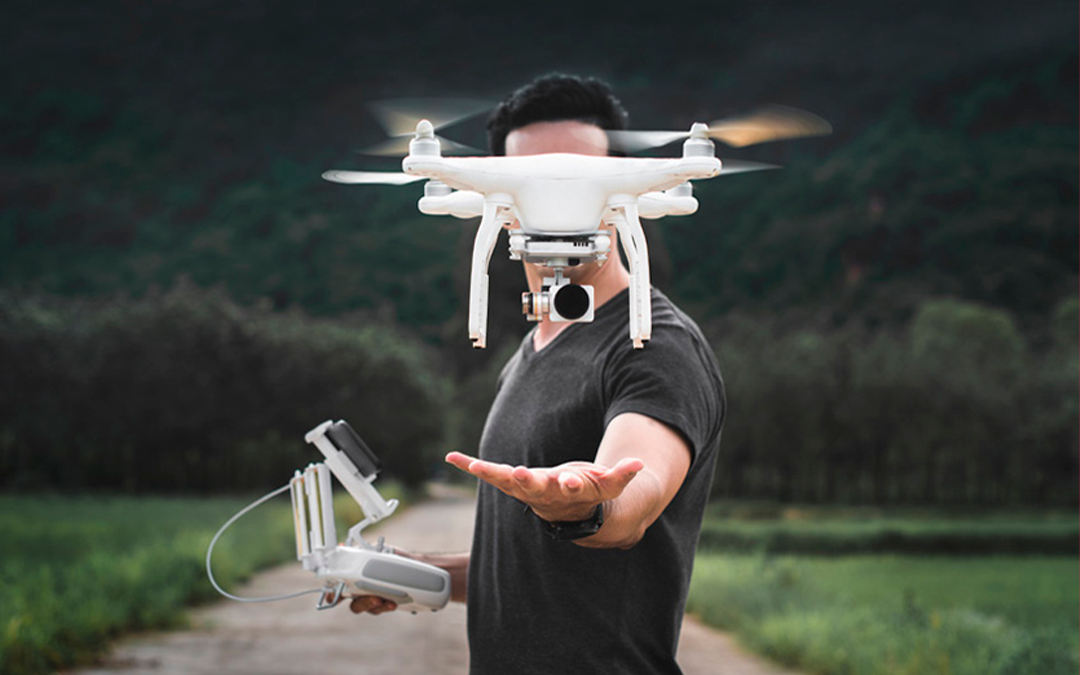
A good-quality beginner drone should include assisted flight modes, safety features such as return-to-home, and a camera capable of capturing decent images for sharing on social media or editing in video editing apps.
Comparison table of the best beginner drones in 2024
| Drone | Weight | Camera quality | Video resolution | Flight time | Transmission range | Stabilisation | Approximate price |
|---|---|---|---|---|---|---|---|
| DJI Mini 2 SE | 249 g | 12 MP | 2.7K | 31 min | 10 km | 2-axis | £300 |
| Ryze Tello | 80 g | 5 MP | 720p | 13 min | 100 m | Digital | £100 |
| Holy Stone HS720 | 460 g | 4K | 4K | 26 min | 800 m | 3-axis | £250 |
| Potensic T25 | 185 g | 1080p | 1080p | 15 min | 300 m | Digital | £150 |
Detailed comparison of recommended drones for beginners
The featured models stand out for their ease of use, affordable prices, and sufficient quality for basic captures.
Below, we detail the features that make each one a suitable option for beginner users.
DJI Mini 2 SE
The DJI Mini 2 SE is an excellent option for those looking for a lightweight and easy-to-carry drone, with a foldable design that makes it easy to store.
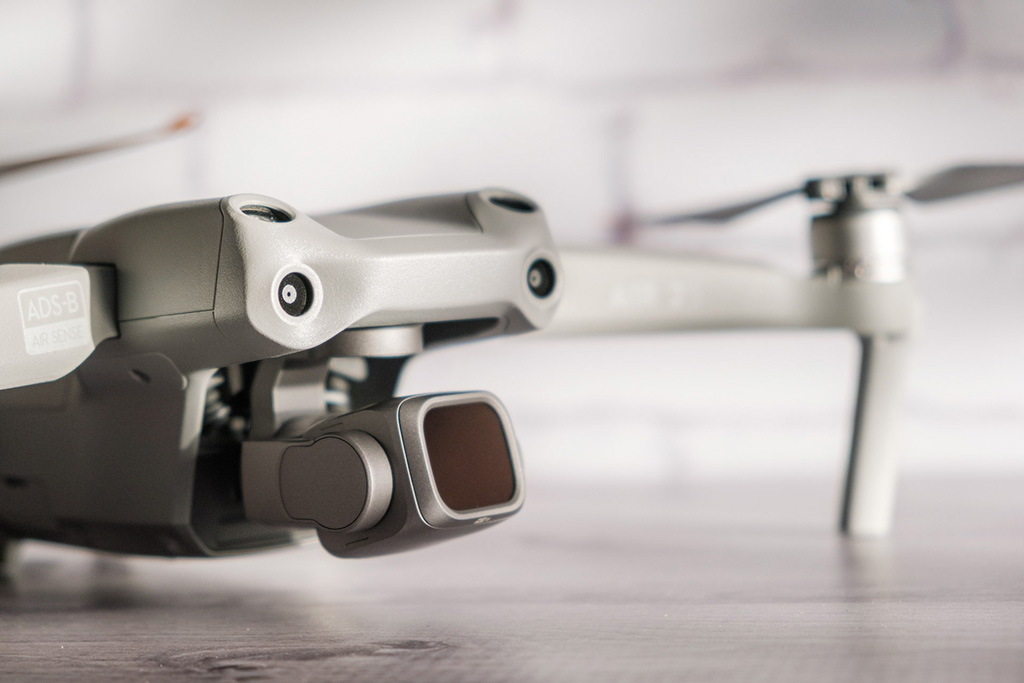
With its 12 MP camera and 2.7K video, it’s ideal for capturing images and videos that you can later enhance with editing tools to achieve polished, professional quality.
Advantages
- Portability: Its compact design makes it easy to take anywhere.
- Image quality: 12 MP camera that captures sharp images.
- Transmission range: Up to 10 km, perfect for outdoor shots.
Disadvantages
- Wind limitations: Due to its light weight, it’s more prone to drift in strong winds.
- Limited video quality: The 2.7K resolution is sufficient for beginners, but doesn’t reach the 4K quality of more advanced models.
- Limited advanced features: Although easy to use, it lacks some advanced flight modes found in higher-end models.
Ryze Tello
The Ryze Tello is an affordable and simple option, ideal for learning the basics of drone flying.
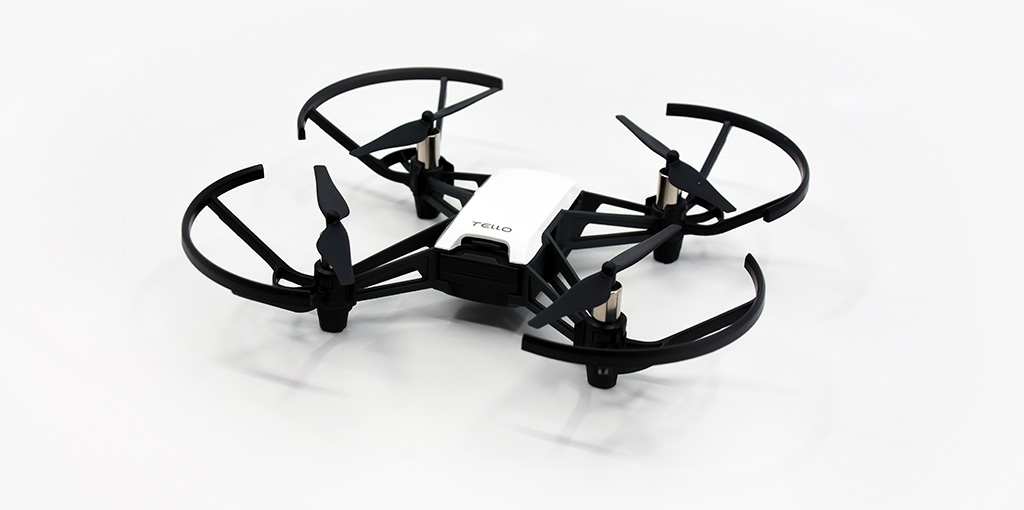
Designed in collaboration with DJI, it allows for basic image capture with its 5 MP camera, perfect for sharing on social media or editing with basic tools.
Advantages
- Economical: Affordable price for those just starting out.
- Mobile control: Allows you to use your smartphone as a controller.
- Lightweight: Ideal for indoor flights and calm conditions.
Disadvantages
- Basic image quality: Its 5 MP camera and 720p video are limited for those looking for better image quality.
- Short flight range: Only reaches up to 100 metres, limiting its use in larger spaces.
- Limited stability without GPS: It lacks GPS, making it harder to keep stable outdoors, especially in windy areas.
Holy Stone HS720
The Holy Stone HS720 is a robust drone, ideal for beginners looking for a more advanced experience.
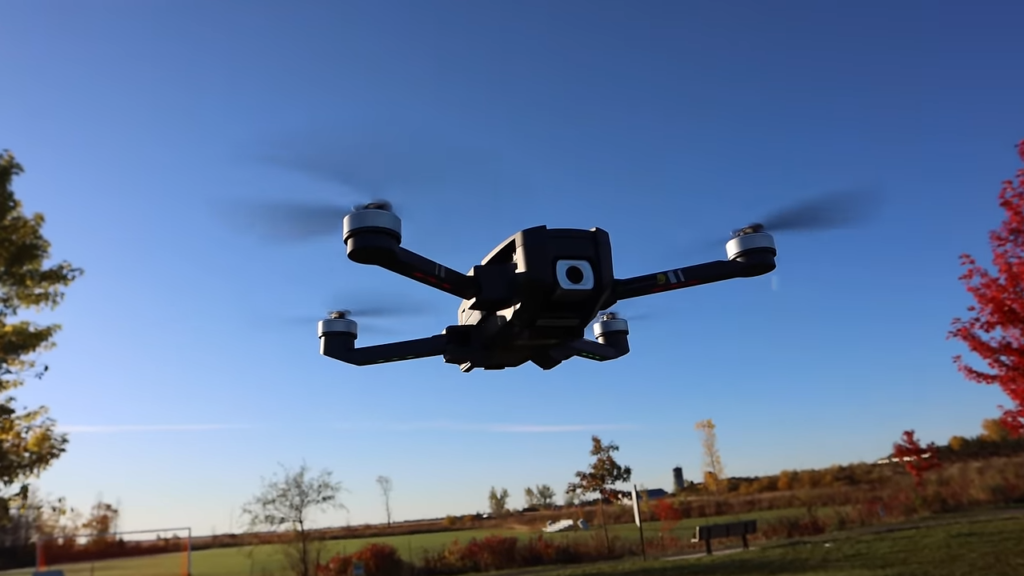
Its 4K camera and flight time of up to 26 minutes make it perfect for extended captures, which can be further enhanced with detailed colour and stability adjustments.
Advantages
- Camera quality: 4K resolution for sharp videos.
- Battery life: Long-lasting battery for extended flights.
- Advanced features: Includes return-to-home and automatic tracking modes.
Disadvantages
- Heavy weight: Heavier than other beginner drones, making it harder to transport and fly in strong winds.
- Long charging time: Battery takes up to 5 hours to fully charge.
- Less intuitive interface: Compared to leading brands, some users find the control interface less user-friendly.
Potensic T25
The Potensic T25, with a 1080p HD camera and GPS system, is an excellent choice for those wanting a drone with basic stability and navigation features.

Its digital stabilisation system and controlled flight modes make it a good option for simple shots that can be enhanced in post-production.
Advantages
- Built-in GPS: Greater navigation and flight precision.
- Competitive price: Good value for money.
- Automatic return: Easy to handle in low battery or signal loss situations.
Disadvantages
- Limited image quality: The 1080p camera may not satisfy those looking for high-quality images or videos.
- Moderate battery life: Offers between 10 and 15 minutes of flight, so additional batteries are recommended.
- Stability affected by wind: Due to its light weight and digital stabilisation, it can be challenging to control outdoors in windy conditions.
This detailed analysis, covering both the advantages and disadvantages of each drone, provides a complete overview of the available options so you can make an informed decision based on your needs and preferences.
Safety tips and legal compliance
It’s important to consider regulations and best practices when using drones, even for beginners. In many countries, drone registration and adherence to local rules are required for flying in public areas.
Licence requirements and regulations
In countries like the United States or Spain, it’s necessary to comply with specific regulations, including drone registration by weight and obtaining permits for flying in certain areas.
Always check local regulations
to avoid fines.
Safety tips
When flying a drone, especially in public areas, it’s essential to respect others’ privacy and avoid crowded areas.
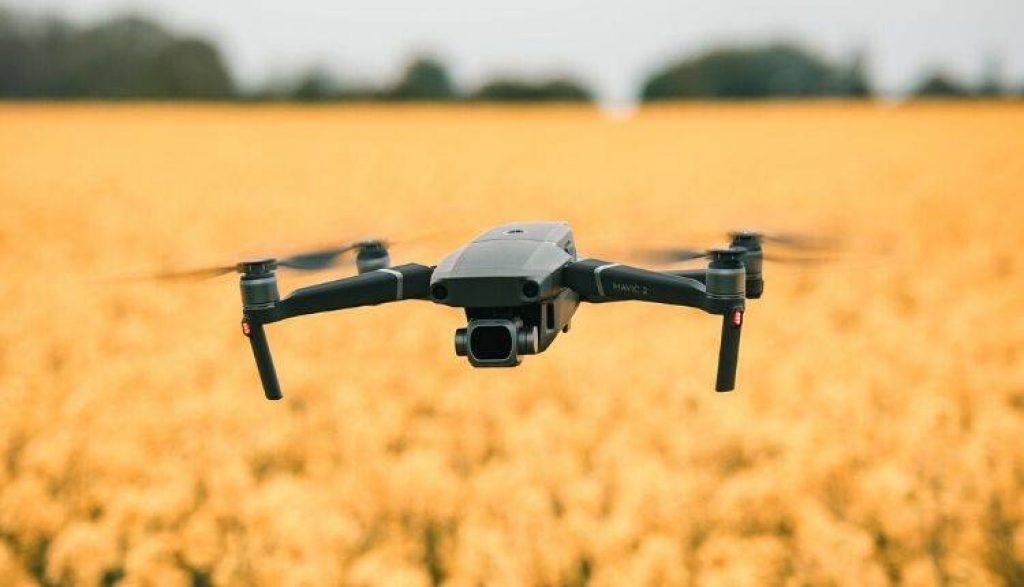
It’s also recommended to always fly within line of sight to prevent loss of control and ensure you can respond to any obstacles.
Tips to improve the flying experience
To make the most of your drone, it’s important to maintain certain practices that optimise flight duration and quality, allowing you to capture high-quality images and videos.
Drone calibration and maintenance
Performing regular checks and calibrations, especially of the GPS and gimbal, improves flight stability and reduces the risk of accidents. This is especially useful for stable captures.
Avoiding adverse weather conditions
Conditions such as strong winds or rain can affect both the drone’s performance and recording quality.
Avoid flying in bad weather and choose calm times to achieve better results.
Flight modes and automatic features for beginners
Many beginner drones include automatic modes that help capture dynamic shots and facilitate navigation, allowing the user to focus on recording rather than constant control.
Smart modes
Features like follow mode, circle flight (Orbit), and point of interest mode allow the drone to capture automatically from different angles with smooth movements, ideal for dynamic videos.
Recommended accessories to enhance the experience
There are various accessories that can improve the safety and functionality of drones for beginners, optimising the flying experience.
Propeller guards and extra batteries
Propeller guards are essential for protecting the drone when flying indoors or near objects.
Additionally, carrying extra batteries extends flight time, perfect for capturing multiple shots without interruptions.
High-capacity microSD cards
For drones that capture in high definition or 4K, it’s essential to use high-capacity and high-speed memory cards to store videos and photos without risk of interruptions or quality loss.
Common mistakes and how to avoid them
Beginners often make some typical mistakes when flying drones, which can be avoided with proper preparation and attention to detail.
Improper take-offs and flights without visibility
Taking off from uneven surfaces or flying without clear visibility of the drone increases the risk of accidents.
Always ensure to take off from a flat area and fly within your line of sight.
Constant monitoring of battery and signal
It’s essential to keep a constant check on battery and signal. Some drones offer automatic return on low battery, but it’s better to avoid emergencies by planning flights within the drone’s battery limits.
- Key features of a drone for beginners
- Detailed comparison of recommended drones for beginners
- Safety tips and legal compliance
- Tips to improve the flying experience
- Flight modes and automatic features for beginners
- Recommended accessories to enhance the experience
- Common mistakes and how to avoid them
Leave a Reply